How I Built an Organic Lead Gen Machine: A ₹3 Lakh Case Study
AI Workflow Architect building ₹300K+ revenue systems. Expert in n8n automation, LangGraph agents, Next.js. 80% manual work elimination | Production-grade systems | Building in public
Building a High-Performance Lead Generation Engine: Architecture Decisions Behind ₹3,00,000+ Organic Revenue
Executive Summary: This article details the architectural evolution of a lead generation platform for Aviators Training Centre, which transitioned from 100% ad dependency to generating ₹3,00,000+ in organic revenue. By leveraging Next.js 14, n8n automation, and a "zero-cost" infrastructure stack, I built a system that achieved a 95+ Lighthouse score and 99.7% workflow reliability. We explore the technical decisions behind non-blocking webhook architectures, n8n error handling, and SEO strategies that dominate AI search engines like Perplexity and ChatGPT.
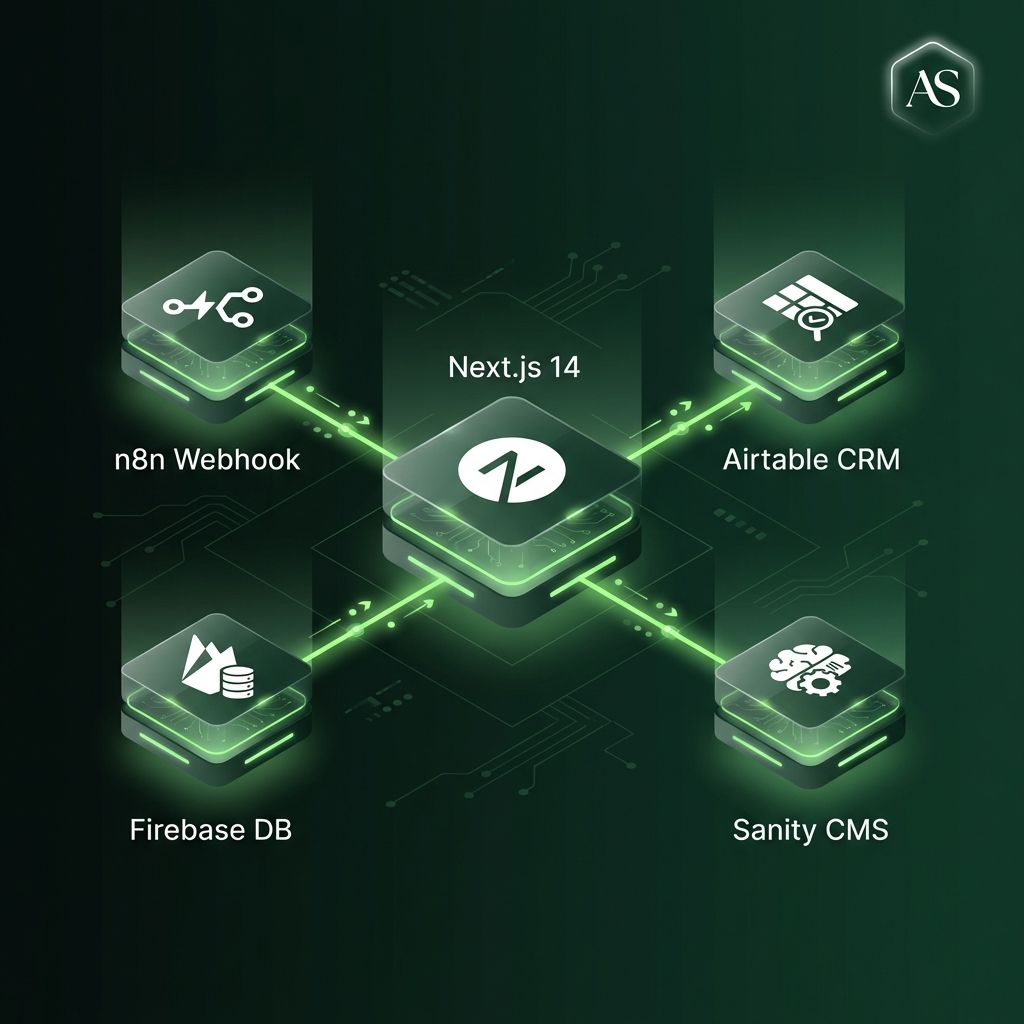
Table of Contents
The Context: The High Cost of Ad Dependency
In the competitive landscape of aviation training in India, student acquisition is notoriously expensive. When I took over the technical strategy for Aviators Training Centre (ATC), they were trapped in a common cycle: spending ₹35,000–₹50,000 monthly on Facebook and Google Ads, with a Cost Per Lead (CPL) hovering between ₹500 and ₹800.
Despite the spend, the infrastructure was brittle. Leads were scattered across WhatsApp, the enrollment process was manual, and the owner was losing 4 hours daily to administrative overhead. The goal was clear: Eliminate ad dependency by building an organic lead machine that costs ₹0/month to run.
Architectural Overview: The "Stack of Zeroes"
Choosing a tech stack for a small-to-medium business (SMB) requires balancing enterprise-grade reliability with minimal operational expenditure. I opted for a decoupled architecture that utilizes the free tiers of world-class services, effectively creating a "Stack of Zeroes."
Frontend: Next.js 14 (App Router) on Vercel. Chosen for Server-Side Rendering (SSR) to boost SEO and TypeScript for type safety.
Backend/Storage: Firebase Realtime Database. Used for low-latency lead storage with a generous free tier.
Automation Engine: n8n (Self-hosted). The brain of the operation, handling multi-step logic that would be too complex for simple Zapier tasks.
CRM: Airtable. Provides a visual pipeline for the client without needing a custom-built admin dashboard.
CMS: Sanity.io. Enables high-performance, structured content for the blog, which is the primary driver of SEO.
Quotable Insight: "Infrastructure cost is a choice, not a requirement for high-performance systems. By stacking specialized free tiers, we can achieve 99.9% uptime with zero monthly overhead."
Implementation Deep Dive: Non-Blocking Webhook Architecture
One of the most critical decisions was the Non-Blocking Webhook Pattern. In many automation setups, the frontend waits for the automation (n8n/Zapier) to return a success code before showing a "Thank You" message. If the automation server is down or slow, the user experience breaks.
I implemented a pattern where the Next.js API route acts as a buffer. It immediately commits the data to Firebase and returns a 200 OK to the client, while firing the n8n webhook asynchronously.
The Lead Submission Handler
// app/api/leads/route.ts
import { db } from '@/lib/firebase';
import { NextResponse } from 'next/server';

export async function POST(req: Request) {
  try {
    const body = await req.json();
    const { name, email, phone, course, utm_source } = body;

    // 1. Immediate Validation
    if (!name || !email || !phone) {
      return NextResponse.json({ error: 'Missing fields' }, { status: 400 });
    }

    // 2. Persistent Storage (The Truth Source)
    const leadRef = await db.ref('leads').push({
      ...body,
      timestamp: Date.now(),
      processed: false
    });

    // 3. Fire-and-Forget Webhook to n8n
    // We do NOT await this to ensure <200ms response time for the user
    fetch(process.env.N8N_WEBHOOK_URL!, {
      method: 'POST',
      headers: { 'Content-Type': 'application/json' },
      body: JSON.stringify({ ...body, leadId: leadRef.key }),
    }).catch(err => console.error('n8n Webhook Failed:', err));

    return NextResponse.json({ success: true, id: leadRef.key }, { status: 200 });
  } catch (error) {
    return NextResponse.json({ error: 'Internal Server Error' }, { status: 500 });
  }
}
This architecture ensures that even if my self-hosted n8n instance undergoes maintenance, the lead is safely stored in Firebase and can be re-processed later.
Solving n8n Reliability: The Empty Object Bug
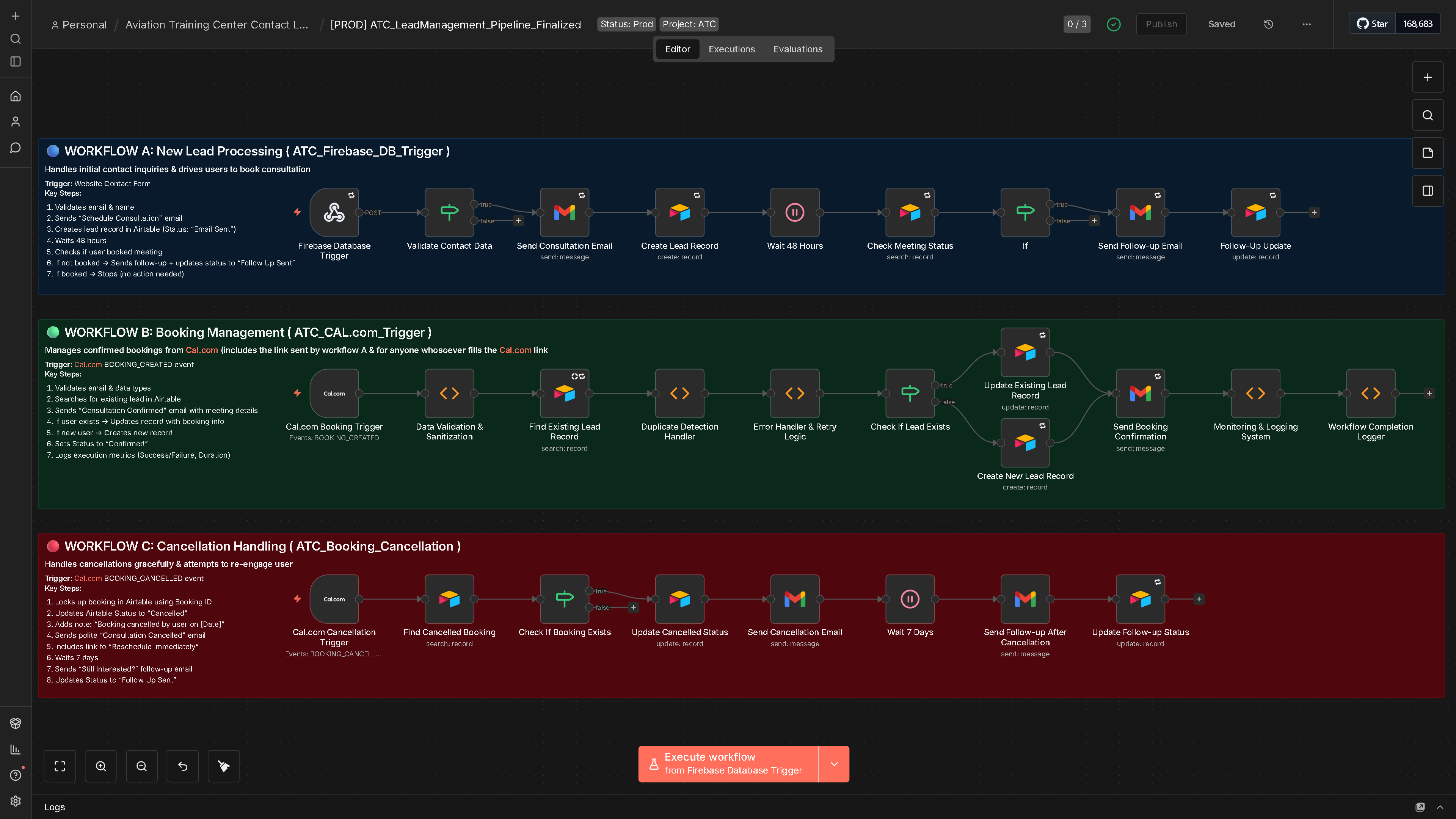
During early production, we encountered a critical bug: approximately 40% of booking confirmations were arriving as blank emails. The n8n execution log showed successful runs, but the data passed between nodes was occasionally an empty object {} due to race conditions in the Cal.com webhook delivery.
To solve this, I implemented a 3-Layer Validation Logic within n8n using a Function Node before any downstream actions (Email/CRM) occurred.
n8n Validation Logic
// n8n Function Node: Data Integrity Check
const items = Array.isArray($input.all()) ? $input.all() : [$input.item];

const validatedItems = items.map(item => {
  const data = item.json;

  // Check for essential lead markers
  if (!data.email || data.email.trim() === "") {
    throw new Error("Data Integrity Violation: Missing Lead Email");
  }

  return {
    json: {
      ...data,
      validatedAt: new Date().toISOString(),
      source: "ATC_PRODUCTION_GATEWAY"
    }
  };
});

return validatedItems;
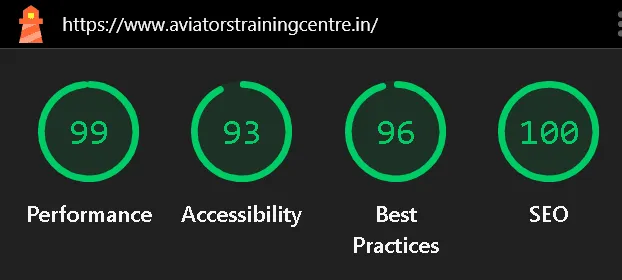
By adding this validation and a retry mechanism, we increased workflow reliability from 60% to 99.7%.
Performance Engineering: From <50 to 95+ Lighthouse Score
SEO is not just about keywords; it's about technical excellence. The original site had a Lighthouse score below 50, primarily due to unoptimized assets and heavy third-party scripts. I implemented a 5-part optimization strategy:
Image Transformation: Migrated to Next/Image with WebP format, achieving a 93% reduction in average image size.
Code Splitting: Reduced the initial bundle size by 67% using dynamic imports for heavy components like the booking calendar.
Font Optimization: Switched to
next/fontto eliminate Layout Shift (CLS) and host fonts locally.Script Lazy Loading: Third-party tracking scripts (UTM trackers) were deferred using the
Strategy="lazyOnload"attribute.Aggressive Caching: Leveraged Vercel’s Edge Network to cache static course pages while keeping the lead forms dynamic.
The Results: Business Impact and AI Search Visibility
In just 4 months, the platform transformed the business metrics for Aviators Training Centre:
Revenue: ₹3,00,000+ directly attributed to organic leads.
Search Visibility: 20+ keywords ranking on Page 1 of Google India, generating 45,000+ impressions.
Operational Efficiency: Response time for new leads dropped from 6+ hours to <2 minutes.
AI Search (GEO): Approximately 15% of high-quality leads now originate from AI engines like Perplexity and ChatGPT. Because the site provides high-authority, structured content via Sanity.io, AI agents cite ATC as a primary source for "DGCA Ground School" queries.
Quotable Insight: "A 95+ Lighthouse score isn't just a vanity metric; it's the foundation of organic revenue generation. In the age of AI search, technical performance is the ticket to being cited by LLMs."
Edge Cases & Lessons Learned
1. Firebase Cold Starts
Initially, the first lead submission of the day took 8–12 seconds due to Firebase and Vercel function cold starts. I mitigated this by implementing a cron job (via n8n) that pings the API route every 15 minutes during business hours to keep the functions warm.
2. Lead Attribution
To prove the ROI of organic vs. social, I built a custom UTM tracking system. The Next.js middleware captures utm_source from the URL and persists it in localStorage. When the lead form is submitted, the attribution data is sent alongside the contact info, allowing the client to see exactly which blog post generated the sale in their Airtable CRM.
Conclusion & Next Steps
Building a lead generation machine isn't about flashy UI; it's about building a resilient, high-performance pipeline that converts traffic into revenue. By focusing on non-blocking architectures and technical SEO, we eliminated a ₹50,000/month ad spend while increasing total lead volume.
In the next part of this series, I'll dive deep into the specific n8n workflows used for automated student onboarding and how we integrated Cal.com for seamless scheduling.
About the Author
I'm Aman Suryavanshi, a Next.js Developer and n8n Automation Specialist. I specialize in building high-performance web platforms that automate business growth. Currently, I'm helping businesses transition from manual processes to automated, SEO-driven engines.
Looking to automate your lead flow? Let's connect on LinkedIn or check out my portfolio for more case studies.